Is Harlem Townhouse Living Right for Your Lifestyle?
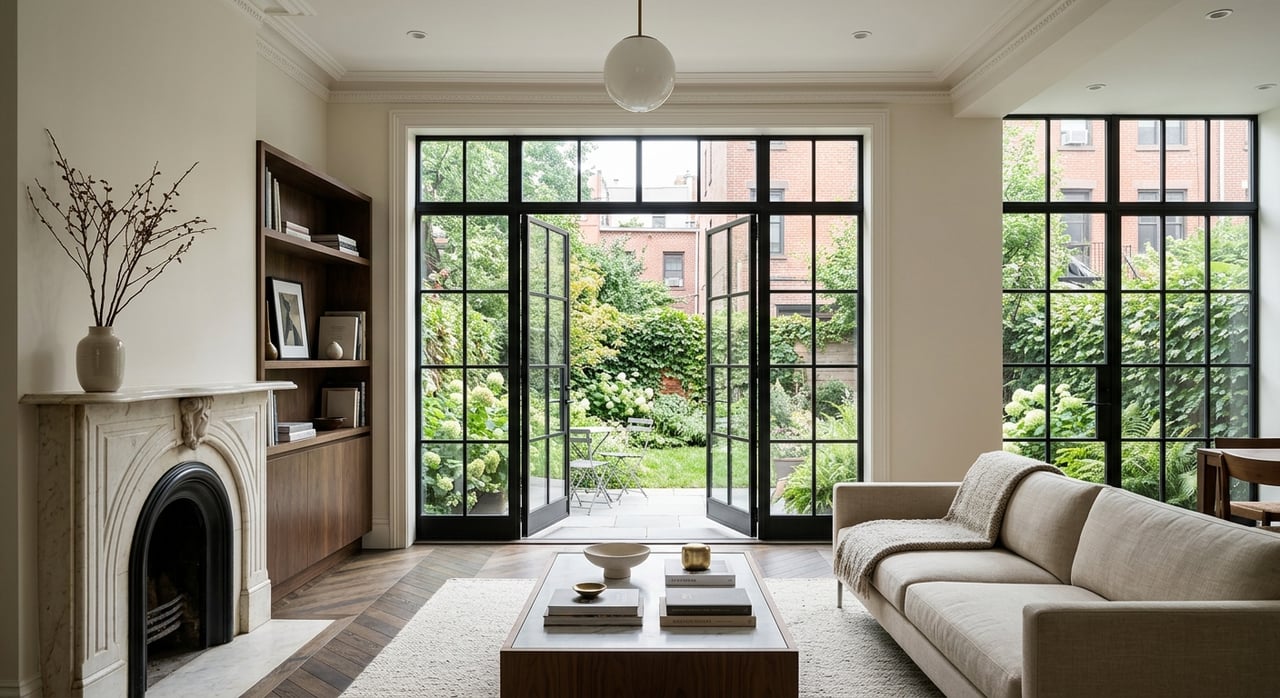
If you are drawn to the idea of brownstone living, Harlem often stands out for a reason. Here, townhouse life can offer the layered feel of a private home while still keeping you closely connected to the street, the block, and the wider neighborhood. If you are weighing whether that lifestyle fits your needs, this guide will walk you through the architecture, day-to-day experience, and practical considerations that shape townhouse living in Harlem. Let’s dive in.
Harlem’s townhouse identity is deeply tied to its history. According to the Landmarks Preservation Commission’s Harlem history report, the neighborhood evolved from a rural farming area into a community of new rowhouses and elegant homes as rail and transit made the area more accessible.
That growth helped create the streetscapes many buyers and renters still seek out today. The same report notes that Strivers’ Row, within the St. Nicholas Historic District, helped establish Harlem as a fashionable residential community.
Today, many of Harlem’s most recognizable townhouse blocks sit within designated historic districts. The Landmarks Preservation Commission’s Manhattan historic district overview includes areas such as Hamilton Heights, Hamilton Heights/Sugar Hill, Central Harlem-West 130th-132nd Street, Dorrance Brooks Square, Mount Morris Park, and Mount Morris Park Extension.
These districts are known for cohesive rowhouse streetscapes and late-19th-century styles including neo-Grec, Queen Anne, Renaissance Revival, and Romanesque Revival. For you, that often means a home search shaped as much by block character and architectural continuity as by square footage alone.
One of the biggest reasons people are drawn to Harlem townhouses is how the homes tend to function. The traditional rowhouse form creates a more layered living experience than you may find in a typical apartment building.
The LPC designation material on rowhouses describes the classic brownstone row house as having a tall stoop with a raised-basement entry. Later American Basement designs moved the main entrance to street level and organized the interior differently, often creating clearer separation among foyer, stair, parlor, and service areas.
In practical terms, that kind of layout can support more distinct zones for daily life. Depending on the property, you may find it easier to separate entertaining, working, and sleeping areas, which is part of what gives townhouse living a more house-like rhythm.
Of course, every property is different. Renovations, additions, and prior reconfigurations can change how the original plan feels and functions today.
Townhouses often feel different from full-service apartment buildings because movement through the home is more vertical and sequential. Instead of stepping into one main living area, you may move through entry spaces, stairs, parlors, and private upper floors in a way that creates a stronger sense of transition.
For many people, that translates into more privacy within the home itself. At the same time, it can also mean more stairs, more systems to maintain, and more variation from one property to the next.
Harlem townhouse living is also about visual character. On many blocks, the appeal starts before you even walk inside.
The LPC’s historic district descriptions highlight intact rowhouse streets and architectural styles that define many parts of Harlem. Features like stoops, masonry facades, cornices, window bays, and ornamental details help create the strong architectural rhythm that makes these streets memorable.
This is one reason townhouse buyers often talk about wanting not just a home, but a setting. In Harlem, the surrounding block can be part of the experience, especially where historic districts preserve a consistent street wall and a strong sense of place.
If you are considering a townhouse in Harlem, it helps to understand that preservation is not just a backdrop. It can directly affect ownership, renovation plans, and long-term upkeep.
The LPC Rowhouse Manual notes that rowhouses are the dominant housing type in many of the city’s historic districts. That makes townhouse ownership part of a larger preservation framework, with its own vocabulary, expectations, and review processes.
Townhouse living in Harlem is not only about what happens inside the home. It is also shaped by what happens just outside your front door.
According to Manhattan Community Board 10, Central Harlem has roughly 107,000 residents across about 1.5 square miles and has a long history as a center for arts, culture, and social and political activism. That scale helps explain why townhouse life here can feel highly neighborhood-centered while still being firmly part of Manhattan.
Community Board 10 also reports that Central Harlem is surrounded by six major parks and includes 20 community gardens, as outlined in its district needs statement. That network of parks and gardens supports a daily rhythm that extends beyond the walls of the home.
In Harlem, the stoop is more than an architectural detail. It can be part of the social fabric that connects home life to the street.
When you combine rowhouse design with nearby open space, sidewalks, front steps, parks, and community gardens can feel interconnected. That can create a balance that feels both private and communal, with a home interior that feels more secluded and a block experience that still feels engaged.
This is a big part of the appeal for people who want a residential atmosphere without giving up the energy and convenience of city living.
The charm of an older townhouse usually comes with more responsibility. If you are comparing a Harlem townhouse to a condo or elevator building, maintenance is one of the most important differences to understand.
Older facades, masonry, roofs, stoops, windows, and mechanical systems should all be reviewed carefully. The level of upkeep depends on the property’s condition, age, renovation history, and whether it sits within a historic district.
If the townhouse is landmarked or located in a historic district, exterior work may be regulated. New York City explains in its guidance for performing work on a landmarked property that owners need an LPC permit before doing work that requires a Department of Buildings permit.
Some simple repairs, such as fixing broken window glass or repainting a door the same color, do not require LPC review. But replacement windows and doors, masonry work, restoration of architectural details, and larger exterior changes can require approval, and some projects may go through a public hearing process.
Before you move forward with a purchase or renovation, one of the smartest questions to ask is whether the property has a clear approval history for its facade, stoop, windows, or additions. That can be just as important as the home’s design or finish level.
If you are not sure whether a property is landmarked, the city advises that you can call 311 and ask the LPC. That simple step can help you better understand what may or may not be possible before you make plans.
Many Harlem townhouses were built long before modern construction standards. That does not make them less appealing, but it does mean due diligence matters.
The EPA’s lead paint guidance states that the older a home is, the more likely it is to contain lead-based paint. It also notes that most pre-1978 private housing is covered by lead disclosure rules, and renovation, repair, and painting in pre-1978 homes must be handled by lead-safe certified contractors using specific work practices.
This is why townhouse purchases often benefit from a well-coordinated team. Depending on the property, you may want guidance from a local agent, inspector, attorney, and, when needed, an architect who understands historic properties and approval processes.
As you evaluate a Harlem townhouse, keep these points in mind:
Asking these questions early can save time and help you make a more informed decision.
For many buyers and renters, the appeal comes down to three things: space, style, and connection. Harlem townhouses can offer a more layered residential feel, distinctive historic architecture, and a neighborhood experience that remains tied to the block, nearby parks, and the broader cultural life of Harlem.
At the same time, townhouse living works best when you go in with clear expectations. You are not just choosing square footage or finishes. You are choosing a specific kind of Manhattan homeownership or tenancy that may involve more upkeep, more due diligence, and more attention to the building’s history.
If you are considering a townhouse in Harlem and want guidance that is thoughtful, discreet, and tailored to your goals, the Maison International Team can help you evaluate the options with clarity and confidence.
Stay up to date on the latest real estate trends.
June 18, 2026
June 11, 2026
June 4, 2026
May 28, 2026
May 21, 2026
May 14, 2026
May 7, 2026
April 23, 2026
April 16, 2026
The Maison International Team truly believes in the magic of finding the perfect real estate partners. Their long history of working with a diverse range of clients from all over the world has knit a rich tapestry of prized friendships and business relationships. They consider each day to be another opportunity to weave new threads and continue their legacy of client-focused real estate success.