East Village Walk-Up vs Elevator: What’s Right for You?
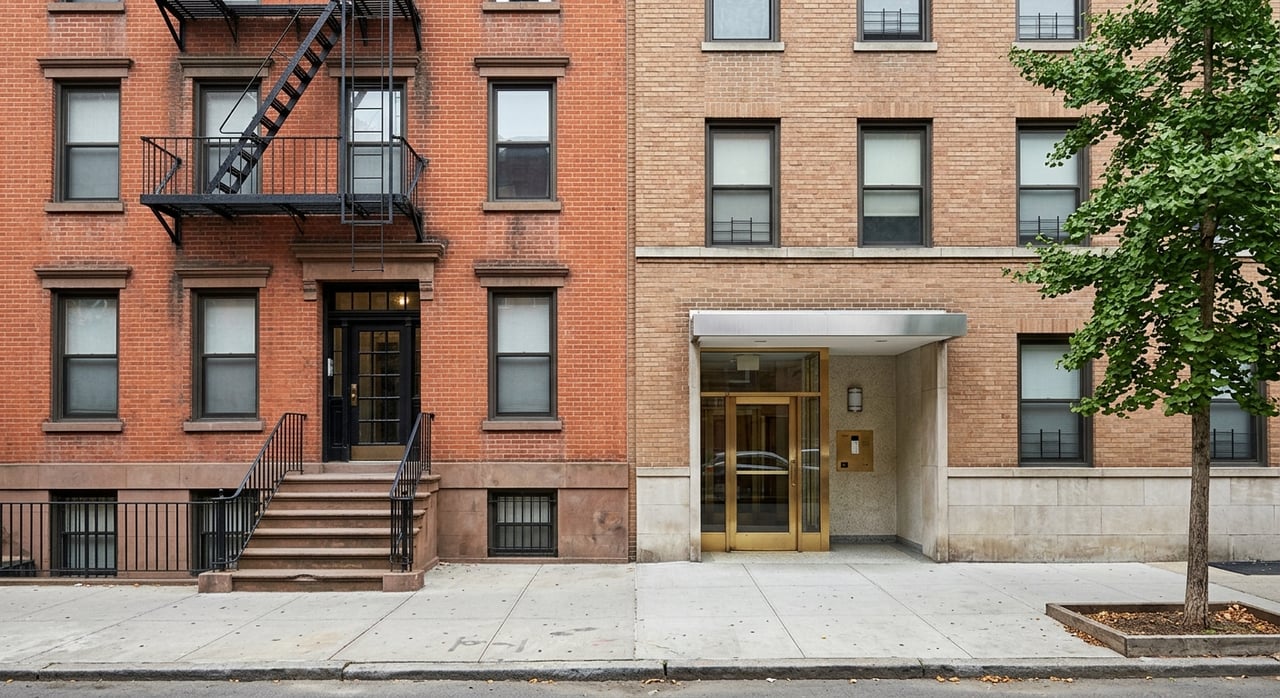
Wondering whether an East Village walk-up or elevator building is the better fit? In this neighborhood, that choice can shape your daily routine as much as your budget. If you are renting, buying, or planning a move within Manhattan, it helps to know how East Village buildings actually differ in feel, cost, and upkeep. Let’s break down what matters most so you can make a smarter decision.
The East Village is a neighborhood shaped by older, low-rise housing. According to New York City planning and historic district materials, development began in the 1830s, with row houses later converted to multi-family use and then replaced over time by pre-law, old-law, and new-law tenements.
That history still shows up in the housing stock today. In the broader East Village, Lower East Side, and Two Bridges planning area, New York City notes there are more than 250 mid-rise walk-up buildings and about 65 mid-rise elevator buildings. In practical terms, that means walk-ups are not the exception here. They are part of the neighborhood’s core fabric.
The result is a market where your choice is often less about old versus new and more about which kind of prewar or mid-century building best fits your life. In East Village, both walk-ups and elevator buildings can offer character, but they come with different trade-offs.
Many East Village walk-ups are compact, prewar, and full of detail. You may find hardwood floors, higher ceilings, exposed brick, and efficient layouts that reflect the neighborhood’s historic building patterns.
For many people, the appeal is simple. A walk-up often feels more classic, more intimate, and more connected to the East Village people picture when they imagine living there.
The trade-off, of course, is the stairs. That affects more than move-in day. It can shape how you think about groceries, deliveries, luggage, guests, laundry, or simply coming home after a long day.
A walk-up may suit you well if you value:
If your routine is light on heavy hauling and you care more about charm than convenience features, a walk-up can be a strong East Village match.
Not all walk-ups live the same way. Before committing, you should look closely at the practical side of the apartment, not just the style.
Focus on:
In East Village, a beautiful fourth-floor walk-up may feel perfect to one person and exhausting to another. Your day-to-day habits matter.
Elevator buildings in East Village are often not ultra-luxury towers. Many are prewar or mid-century co-ops and condos, while some newer boutique buildings add features like central air, in-unit washer and dryer, rooftop space, and more open layouts.
The biggest advantage is convenience. An elevator can make daily life easier for carrying groceries, hosting guests, receiving deliveries, traveling with luggage, or planning for long-term accessibility.
That convenience can be especially valuable if you expect your apartment to support a busy Manhattan schedule. It can also matter if you want a home that feels easier to grow into over time.
An elevator building may be the better fit if you prioritize:
For some buyers and renters, that convenience is not a luxury. It is the feature that makes the home function smoothly.
An elevator adds comfort, but it also adds building complexity. New York City’s housing and building agencies treat elevator service as a serious maintenance and safety matter.
Before you move forward, ask about:
Those questions matter because elevator reliability is part of the building’s overall health. A well-run elevator building can feel seamless. A poorly maintained one can feel frustrating very quickly.
East Village pricing varies widely by building, block, size, and renovation level. Still, broad market benchmarks help set expectations. StreetEasy currently reports a median sale price of $920,000 and a median base rent of $4,650 in East Village.
Within that larger range, walk-ups can sometimes be more budget-friendly, but not always. Renovation quality, floor plan, and location still matter a great deal.
Recent examples in the neighborhood show that spread clearly:
On the sales side, examples also point to meaningful but not absolute differences:
Monthly carrying costs can also differ. A recent sold walk-up co-op at 54 East 1st Street showed $900 per month in maintenance, while a recent sold elevator co-op at 226 East 12th Street showed $1,174 per month in maintenance.
Part of the reason elevator buildings can cost more each month is simple: the elevator is another system that needs ongoing care. New York City HPD’s 2025 maintenance and operating expense guidelines include a specific line item for elevator maintenance and repairs.
That does not mean every elevator building is expensive or every walk-up is cheap. It does mean that when you compare two otherwise similar homes, the elevator building may have more operating layers and future capital needs built into ownership.
If you are buying, this is worth careful review. Monthly maintenance or common charges are not just about today. They also reflect how the building handles long-term upkeep.
In East Village, the better apartment is rarely decided by label alone. A walk-up can be the right move if you want charm, a simpler building setup, and a lower monthly burden. An elevator building can be the right move if convenience, accessibility, and service features matter more in your daily life.
This is why East Village is so building-specific. The neighborhood’s historic district covers about 325 buildings, and the area remains heavily prewar and low-rise. That means one block can offer very different living experiences from the next.
When you compare options, focus on the full picture:
That approach usually leads to a better decision than simply asking whether walk-ups are better than elevator buildings. In East Village, the smartest choice is the one that matches your lifestyle, not the one that sounds better on paper.
If you are weighing East Village options, the right guidance can save time and help you filter past surface-level details. The Maison International Team offers discreet, hands-on support for buyers and renters who want a polished, neighborhood-specific strategy.
Stay up to date on the latest real estate trends.

September 10, 2026

September 10, 2026

September 3, 2026
August 27, 2026
August 20, 2026
August 13, 2026

August 6, 2026

July 23, 2026

July 16, 2026
The Maison International Team truly believes in the magic of finding the perfect real estate partners. Their long history of working with a diverse range of clients from all over the world has knit a rich tapestry of prized friendships and business relationships. They consider each day to be another opportunity to weave new threads and continue their legacy of client-focused real estate success.