Your First-Time Homebuyer Guide to the East Village
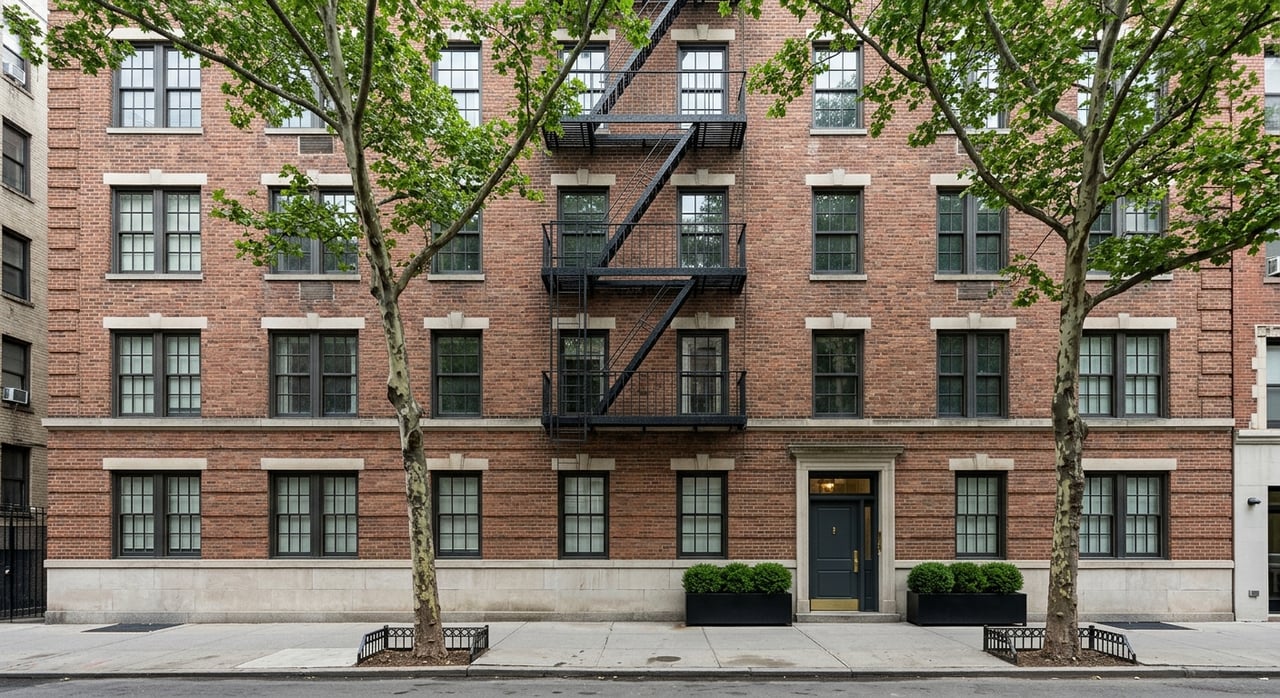
Buying your first place in the East Village can feel exciting, intimidating, and a little opaque all at once. You may love the neighborhood’s energy and location, but the buying process here often comes with older buildings, co-op rules, and closing-cost questions that are not always obvious at first glance. The good news is that when you know what to expect, you can move with more confidence and fewer surprises. Let’s dive in.
The East Village offers a mix of residential and commercial uses, strong subway access, nearby green space, and a lively street scene. According to the New York City Department of Housing Preservation and Development, the area includes mixed-use buildings, public facilities, and green space, while StreetEasy’s neighborhood overview highlights the neighborhood’s restaurants and active street life.
For many first-time buyers, the appeal is simple: you can buy into a classic Manhattan neighborhood with real character and strong day-to-day convenience. At the same time, the housing stock tends to be older, and many homes are prewar walk-ups, so your search often requires patience and a careful eye.
Recent market snapshots suggest that East Village remains in demand, even if homes do not always move at lightning speed. Redfin’s February 2026 market data shows a median sale price of $909,500, 115 median days on market, 32 homes sold, and a 99.4% sale-to-list ratio. StreetEasy’s East Village page shows a median sale price of $920K.
No single platform tells the whole story, and each uses its own methodology. Still, the broad takeaway is useful: East Village attracts steady buyer interest, inventory turns over in limited batches, and a thoughtful approach matters more than rushing.
Before you tour apartments, set a budget that goes beyond the purchase price. The Consumer Financial Protection Bureau says closing costs typically run about 2% to 5% of the purchase price, and it also recommends keeping a 3- to 6-month emergency cushion.
That matters in the East Village because first-time buyers often focus on the down payment and monthly payment first. In reality, you also need cash for closing costs, attorney fees, and reserves after closing, especially if you are buying in an older building where future work may eventually affect monthly costs.
A practical starter budget should include:
One of the biggest East Village decisions is not just which apartment to buy, but what type of ownership you are buying. According to the New York City Bar Association’s co-op and condo guide, a co-op buyer purchases shares in a corporation and receives a proprietary lease, while a condo buyer owns the unit itself plus an undivided interest in the building’s common elements.
That legal distinction affects your process, monthly costs, and timeline. In a co-op, monthly maintenance generally covers building operating costs and often property taxes. In a condo, you typically pay property taxes directly and also pay common charges.
Co-ops are common in Manhattan, and they often come with more building-level review. Because you are buying shares in a corporation rather than deeded real estate, the approval process usually involves more paperwork and board review.
For a first-time buyer, that usually means you should prepare documents early and stay organized. The process can be manageable, but it is rarely something you want to start assembling at the last minute.
Condos offer deeded ownership, which is generally more straightforward from a legal and process standpoint. You still need due diligence and legal review, but the ownership structure is simpler than a co-op.
That simplicity can be appealing if you want fewer building-level hurdles. Still, financing and closing costs may differ from a co-op, so it is important to compare the full picture rather than just the asking price.
If you are considering a co-op, board-package preparation should start early. StreetEasy’s co-op board package guide explains that packages are not standardized, but many buildings ask for signed tax returns and W-2s, pay stubs, financial statements, reference letters, and, if you are financing, loan approval and recognition documents.
The same guide notes that many buyers are expected to submit the package within about 10 days of contract signing. That timeline can feel tight if your paperwork is scattered, so one of the smartest early moves is to gather your financial and personal documents before you make an offer.
A typical co-op package may include:
First-time buyers often compare homes based on price alone, but monthly carrying costs deserve equal attention. In a co-op, maintenance may include property taxes along with operating expenses. In a condo, you will usually see common charges and separate property taxes, as outlined by the NYC Bar Association.
This is especially important in the East Village, where many buildings are older. A lower purchase price can still lead to a different long-term budget if the building has higher operating costs or future capital needs.
Closing costs in New York can vary based on price point, financing, and building type. The CFPB recommends reviewing your Loan Estimate carefully and comparing certain closing and title-related services where allowed, since those costs can vary.
New York tax rules also matter. According to the New York State Department of Taxation and Finance, the base real property transfer tax is generally seller-paid, while buyers pay the 1% mansion tax on residential purchases of $1 million or more. The same source states that mortgages on individual cooperative apartments do not incur New York City mortgage recording tax.
The NYC Bar Association’s real property guide notes that buyers commonly pay mortgage recording tax if there is a loan, lender attorney fees, title insurance premiums, and their own attorney fees. In practical terms, financed condo purchases often have higher closing costs than financed co-op purchases, all else equal, because co-op share loans avoid mortgage recording tax.
In a neighborhood with many prewar buildings, due diligence is one of the most important parts of the buying process. The New York State Attorney General recommends reading the full offering plan and consulting an attorney before signing a purchase agreement. For existing buildings, the office also advises reviewing board meeting minutes and recent financial reports.
Those records can reveal planned repairs, ongoing issues, or future costs. The Attorney General specifically flags facade, roof, elevator, plumbing, electrical, and boiler issues as common expensive problem areas.
That guidance matters in the East Village because StreetEasy notes that much of the housing stock is prewar, many buildings are walk-ups, and many apartments are small or may need updates. A charming apartment and a well-located address are only part of the picture. You also want to know how the building itself is functioning.
A strong first-time buying experience usually starts with the right professionals around you. The NYC Bar Association recommends hiring an attorney early in the process, arranging a home inspection after the seller accepts an offer, ordering a title report, and obtaining title insurance.
That early coordination can help you avoid delays and understand risks before they become expensive. In New York City, where paperwork, timing, and building review can all affect your path to closing, having a clear process is a real advantage.
If you are buying in the East Village for the first time, keep your process simple and structured.
Know how much you want to spend, but also know how much you need to keep. Use the CFPB’s closing-cost and reserve guidance as a baseline, then pressure-test your comfort level.
Think about your priorities around ownership type, approval process, and closing costs. This choice can shape your search as much as price or layout.
If co-ops are in play, prepare financial statements, tax returns, employment records, and references before you find the right apartment. That gives you a better chance of moving smoothly once you are in contract.
Read financials, board minutes, and available building documents carefully with your attorney. Older East Village buildings can be appealing, but they require informed review.
Look at your full cost picture, including taxes, fees, monthly carrying costs, and post-closing reserves. A smart first purchase should feel sustainable, not just possible.
Buying your first home in the East Village is rarely about moving fast. It is about understanding the housing stock, choosing the right ownership structure, and making sure your numbers work both now and after closing. If you want discreet, informed guidance as you plan your first purchase in Manhattan, you can request a confidential consultation with the Maison International Team.
Stay up to date on the latest real estate trends.
August 20, 2026

August 13, 2026

August 6, 2026

July 23, 2026

July 16, 2026

July 16, 2026

July 9, 2026

July 9, 2026

July 9, 2026
The Maison International Team truly believes in the magic of finding the perfect real estate partners. Their long history of working with a diverse range of clients from all over the world has knit a rich tapestry of prized friendships and business relationships. They consider each day to be another opportunity to weave new threads and continue their legacy of client-focused real estate success.