Williamsburg Brooklyn Rental Investment: What to Know
If you are considering a rental property in Williamsburg, it is easy to focus on headline rents and overlook the details that shape long-term performance. This Brooklyn neighborhood draws steady renter interest, but it also comes with layers of regulation, building-specific rules, and location-based risk that can change the math quickly. If you want to invest with more clarity, this guide walks you through the practical issues that matter most before you buy. Let’s dive in.
Williamsburg benefits from a mix of lifestyle appeal and day-to-day convenience that supports consistent renter demand. In Brooklyn Community District 1, key corridors include Bedford Avenue, Grand Street, Manhattan Avenue, Franklin Street, and West Street, with active retail, restaurants, bars, and small businesses that help keep the area vibrant.
The neighborhood also benefits from open-space assets such as Bushwick Inlet Park and WNYC Transmitter Park. City planning materials further note the role of L train access along Bedford Avenue, which has helped make the area attractive to both residents and visitors.
At the same time, the broader housing picture is under pressure. The community board reports that nearly 48 percent of renter households in the district are rent-burdened, and about one in four are severely rent-burdened. For you as an investor, that suggests demand may remain strong, but affordability pressure is a core part of this market.
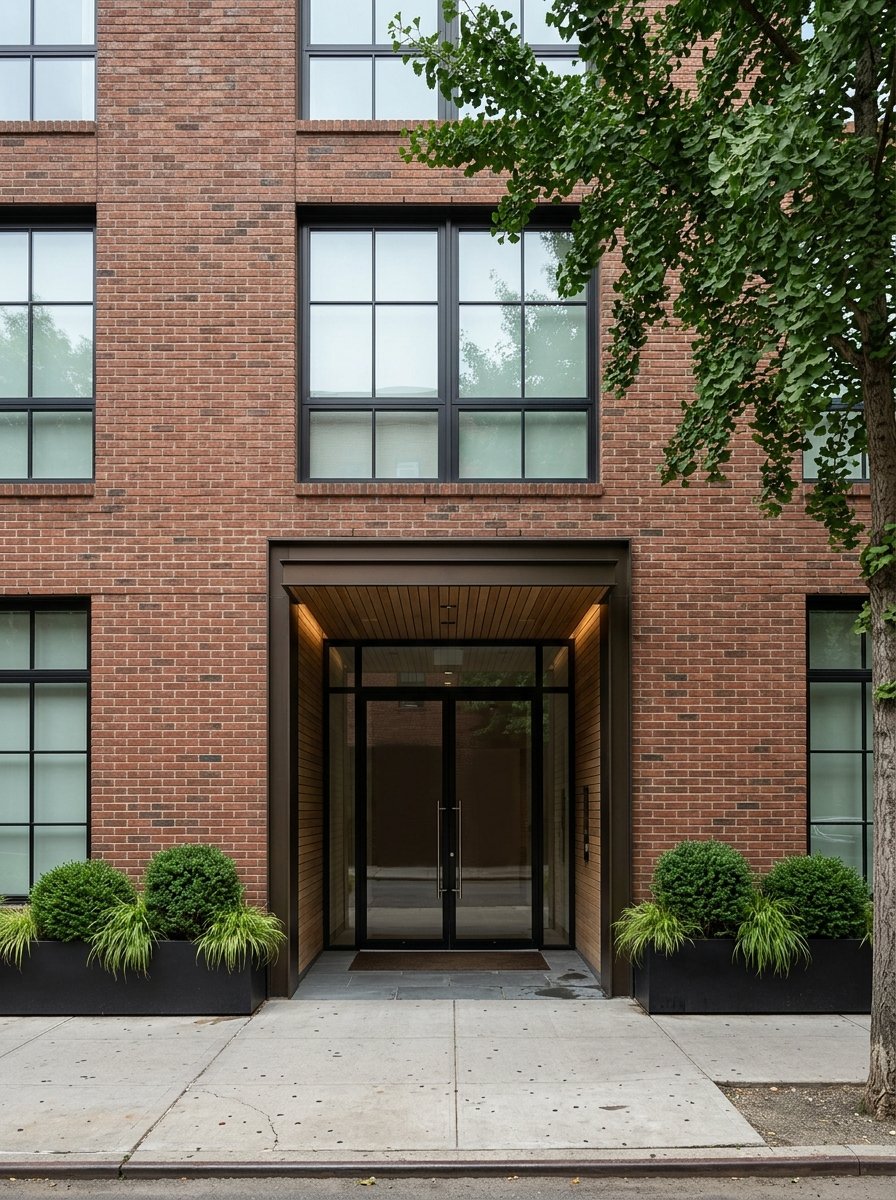
One of the biggest mistakes investors make is treating Williamsburg like a single product type. It is not. City planning describes the area as a blend of 3- to 4-story brick or frame buildings, 5- to 6-story apartment buildings, older industrial loft buildings, low-rise industrial sites, and newer residential development.
That variety matters because unit layouts, finishes, and tenant expectations can differ sharply from one building to the next. A renovated loft conversion may attract a very different renter profile and require a different capital plan than a small walk-up or a newer multifamily building.
You also need to separate free-market rentals from regulated or subsidized housing stock. In the broader district, planning materials identify public housing and Mitchell-Lama properties, and the community board emphasizes preserving rent-stabilized and public housing. That means comparable rents and projected growth should be based on the exact legal and regulatory status of the asset, not just the address.
New York City remains a tight rental market, and Williamsburg operates within that broader context. According to HPD, the city’s net rental vacancy rate was 1.41 percent in 2023, while the New York City Comptroller reported Brooklyn’s rate at 1.27 percent.
That level of scarcity can support leasing velocity for well-priced units in good condition. Still, low vacancy does not remove the need for disciplined underwriting. Even in a constrained market, rent level, unit condition, and leasing execution all affect how quickly you can secure and retain a tenant.
In Williamsburg, regulation is often the line between a straightforward investment and a highly constrained one. Many buildings with six or more units built before 1974 may fall under rent stabilization, but some newer properties may also be stabilized through tax-benefit or regulatory programs.
That is why you should never assume that newer construction means fully free-market income. NYC guidance on 421-a explains that some buildings can include both market-rate and income-restricted units, and stabilization or affordability requirements can continue for a set period depending on the program and regulatory agreement.
For rent-stabilized apartments, rent growth is limited by renewal rules rather than market demand alone. For leases starting on or after October 1, 2025 and before September 30, 2026, current Rent Guidelines Board increases are 3 percent for a one-year renewal and 4.5 percent for a two-year renewal.
Lease mechanics matter in New York, especially when you are underwriting operations and compliance. The New York State Attorney General says a lease should identify the premises, the parties, the rent, due dates, duration, and occupancy terms.
For rent-stabilized apartments, tenants must receive a fully executed copy of the lease within 30 days, and the lease must state the beginning and ending dates. NYC Department of Finance guidance also says landlords must serve renewal leases at least 120 days before expiration.
Other rules can affect how you structure your business plan. HPD guidance states that renewal notice should be at least 30 days, security deposits cannot exceed one month’s rent, and Good Cause Eviction notices are now required for certain actions involving new leases, non-renewals, and rent increases over 5 percent.
In Williamsburg, legal status is not a box to check at the end of due diligence. It is one of the first questions you should ask. The neighborhood includes former industrial and loft-style buildings, and those properties may follow a different compliance path than a conventional apartment building.
NYC’s Loft Board regulates the legalization of certain interim multiple dwellings and requires owners to bring them up to minimum standards for residential occupancy. If you are looking at a loft-style asset, that history can affect timing, cost, and risk.
The Department of Buildings also advises owners and prospective tenants to verify that a building can be legally occupied as presented. Before you move forward, review permits, violations, and building history carefully so you understand what you are actually buying.
Some buyers are drawn to Williamsburg because they imagine a high-performing furnished or flexible rental strategy. But New York City places strict limits on short-term rentals in permanent residential buildings.
NYC states that you cannot rent out an entire apartment or home to visitors for fewer than 30 days in those buildings. In practical terms, that means Williamsburg should be modeled primarily as a long-term rental market, not a hotel-style substitute.
If you are considering a furnished strategy, structure matters. Before acquisition, it is wise to confirm exactly how the intended use aligns with local rules and the building’s governing framework.
Waterfront access is part of Williamsburg’s appeal, but it can also introduce added ownership considerations. City emergency guidance advises property owners and residents to know their flood risk and review flood insurance and retrofit options.
For investors, that means a waterfront address may require more than a simple rent comp analysis. Insurance costs, resilience upgrades, and future capital reserves can all affect your real return.
This does not mean waterfront property is a poor investment. It means you should price the lifestyle premium and the risk profile together, rather than treating the location as upside only.
Before you buy, focus on the factors that most directly affect performance and risk:
Williamsburg can be a compelling rental market, but it is rarely a simple one. Strong tenant demand, tight vacancy, mixed building stock, and regulation-heavy ownership all mean that your best investment decision depends on more than just the asking price and projected rent roll.
If you are evaluating a townhouse, loft conversion, multifamily building, or newer condo or rental product in Williamsburg, precise due diligence matters. The right advisory team can help you compare building types, review operating realities, and assess how the property fits your broader investment goals with clarity and discretion.
If you are exploring a Williamsburg rental property acquisition and want tailored guidance, Maison International Team offers discreet, full-service support for investors seeking a more informed path forward.
Stay up to date on the latest real estate trends.

September 10, 2026

September 10, 2026

September 3, 2026
August 27, 2026
August 20, 2026

August 13, 2026
August 6, 2026

July 23, 2026

July 16, 2026
The Maison International Team truly believes in the magic of finding the perfect real estate partners. Their long history of working with a diverse range of clients from all over the world has knit a rich tapestry of prized friendships and business relationships. They consider each day to be another opportunity to weave new threads and continue their legacy of client-focused real estate success.