Harlem Condos And Brownstones: How To Choose
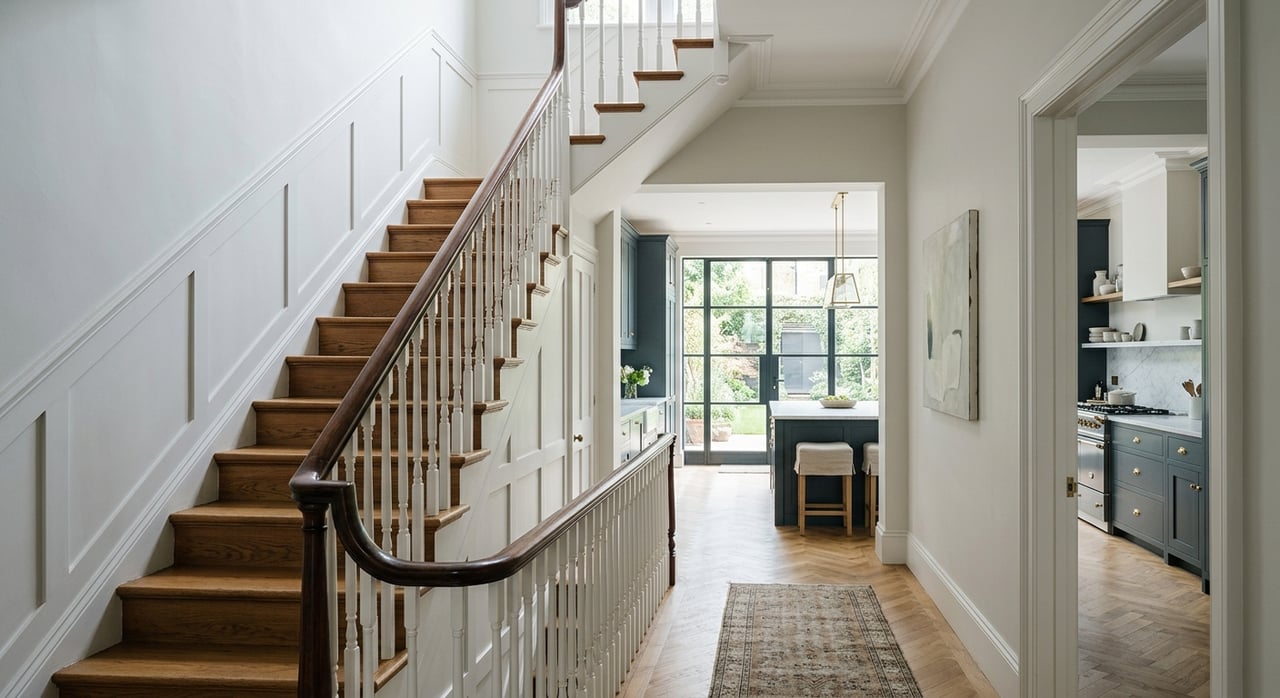
If you are deciding between a Harlem condo and a brownstone, the choice is about much more than style. In Harlem, two homes on the same block can come with very different ownership rules, monthly costs, financing paths, and renovation options. This guide will help you compare the tradeoffs clearly so you can choose the property type that fits how you want to live, budget, and plan ahead. Let’s dive in.
Harlem is not one uniform housing market. It is better understood as a collection of micro-markets with different building types, price points, and ownership structures.
That matters because the word Harlem alone does not tell you enough. In Central Harlem, the housing mix includes late 19th-century row houses as well as newer condo buildings, and Department of Finance sales data shows a wide spread in values across both houses and condos.
In Harlem-Central, 2025 median sale prices were $2.825 million for one-family dwellings, $2.081 million for two-family dwellings, and $1.645 million for three-family dwellings. The same sales file also shows condo sales ranging from roughly the mid-$400,000s to the mid-$1 millions, which is a good reminder that condo can mean very different things depending on the building.
With a condo, you own your individual unit plus an undivided interest in the building’s common elements. Shared areas are typically managed by the association, which can reduce the amount of day-to-day building responsibility that falls on you.
That setup often appeals to buyers who want a more streamlined ownership experience. If you travel often, prefer a lock-and-leave home, or want building services to be more predictable, a condo may feel like the easier fit.
A Harlem brownstone is typically a row-house or townhouse-style property, often tied to the area’s historic late 19th-century streetscapes. In practical terms, ownership usually gives you more direct control over the building itself.
That control can be a major advantage if you want more space, more privacy, or more flexibility inside the home. At the same time, it usually brings more hands-on responsibility for upkeep, repairs, and planning.
Condos often offer a more compact, lower-maintenance lifestyle. Shared building responsibility means you are not handling every exterior or systems issue on your own, which can make daily ownership feel simpler.
That does not mean all Harlem condos feel the same. Department of Finance sales data shows activity in both elevator apartment buildings and smaller 2-to-10-unit residential condo projects, so the living experience can vary a lot depending on the property.
Brownstones usually offer more floor area and a greater sense of separation from neighbors. For many buyers, that extra room changes how the home functions, whether you want multiple living levels, guest space, or room to work from home.
Brownstone ownership also tends to come with more direct decision-making. If you value customization and control, that can be appealing, but you need to be comfortable with the time and budgeting that often come with it.
The purchase price is only one part of the decision. A better way to compare options is to look at the full monthly housing cost.
That full cost can include:
For condos, monthly dues are usually paid separately from the mortgage, and they can range from a few hundred dollars per month to more than $1,000 per month. In many buildings, master insurance covers common areas, but you still need unit-level insurance for the interior.
For brownstones, the monthly picture can look less predictable. You may not have condo charges, but you may be carrying higher repair exposure, exterior maintenance responsibilities, and a different property-tax structure.
In Harlem, property taxes can vary sharply depending on tax class. That is one reason a condo and a brownstone with similar asking prices may still feel very different once you look at the monthly numbers.
According to the New York City Department of Finance, Class 1 includes most one-, two-, and three-family homes and most condos that are not more than three stories. Class 2 includes other primarily residential property, including larger condos and cooperatives.
The city also uses a 6% assessment ratio for Class 1 and 45% for Class 2. You do not need to memorize the formulas, but you should verify the tax class early because a one-family brownstone, a two-family townhouse, and a condo unit on the same block may sit in different tax structures.
With a condo, lenders may review more than just your finances and the unit itself. Condo financing can involve project-level review, which means the building’s paperwork, insurance, and overall eligibility may affect your loan path.
Fannie Mae’s project standards distinguish between new and established condo projects and use different review paths depending on the number of units, whether the project is attached or detached, and the transaction type. In plain terms, the building can matter almost as much as the apartment.
Brownstone financing can be straightforward or more layered, depending on configuration. A single-family townhouse may be simpler to underwrite than a multi-unit property.
If the brownstone is a 2- to 4-unit primary residence, rental income from non-owner-occupied units may be used in qualification under Freddie Mac guidelines. That can help some buyers, but it also means the lender may view the property as a small income-producing building rather than only as a house.
Renovation potential is often a deciding factor in Harlem, especially for buyers drawn to brownstones. Many Harlem row-house blocks are historically designated, and that can shape what changes are possible and how long they may take.
In a historic district, most exterior changes require review by the Landmarks Preservation Commission. Ordinary repairs such as replacing broken glass or repainting to match existing conditions generally do not require that same level of review.
This does not mean a brownstone is the wrong choice. It simply means you should go in with a clear understanding of the likely renovation scope, the exterior rules that may apply, and the timeline you can realistically support.
If you are comparing Harlem condos and brownstones, these are some of the most useful questions to answer early:
Clear answers to these questions can save time and reduce surprises. They also help you compare properties on real ownership terms, not just surface appeal.
A condo may be the better match if you want a home that feels easier to manage on a daily basis. This can be especially appealing if you travel often, split time between cities, or want a residence that is simpler to maintain.
It can also suit buyers who prefer building-managed shared spaces and more predictable service structures. In Harlem, that may range from a larger elevator building to a smaller condo project with a different feel and scale.
A brownstone may be the stronger fit if you want more space, more privacy, and more direct control over the property. It may also appeal to you if you are comfortable planning for repairs, exterior work, and possible landmark review.
For some buyers, a multi-unit brownstone creates additional flexibility, especially if financing may involve rental income from other units. For others, a single-family townhouse offers the appeal of a full-house living experience that is hard to replicate in a condo.
In Harlem, choosing between a condo and a brownstone is rarely about which property type is better in the abstract. It is about which ownership structure best supports your budget, your tolerance for maintenance, your financing strategy, and the way you want to live.
A careful comparison should go beyond square footage and finishes. When you look closely at tax class, common charges, insurance, financing review, landmark status, and renovation scope, the right choice usually becomes much clearer.
If you want a tailored, discreet review of Harlem condo and brownstone options, the Maison International Team can help you compare properties with a clear eye on lifestyle, cost structure, and long-term fit.
Stay up to date on the latest real estate trends.

July 23, 2026
July 16, 2026
July 16, 2026
July 9, 2026
July 9, 2026

July 9, 2026
July 2, 2026
June 25, 2026
June 18, 2026
The Maison International Team truly believes in the magic of finding the perfect real estate partners. Their long history of working with a diverse range of clients from all over the world has knit a rich tapestry of prized friendships and business relationships. They consider each day to be another opportunity to weave new threads and continue their legacy of client-focused real estate success.