Navigating Greenwich Village Historic Renovations

Thinking about upgrading a townhouse or apartment in Greenwich Village’s Historic District? You are not alone. The neighborhood’s character is a treasure, and that is exactly why the city regulates exterior changes. The good news is that with a clear plan, the right approvals, and realistic timelines, you can renovate beautifully and stay on schedule. This guide shows you what the Landmarks Preservation Commission looks for, how long approvals really take, and how to set up a smooth process from day one. Let’s dive in.
The New York City Landmarks Preservation Commission oversees changes to properties inside the Greenwich Village Historic District. The LPC focuses on features visible from a public way, including street facades, stoops, cornices, railings, storefronts, rooflines, rooftop additions, chimneys, and mechanical equipment that can be seen from the street.
Interior work is usually outside LPC review unless the interior itself is an individually designated interior landmark, which is rare in private residences. Typical apartment renovations, such as kitchens and baths, generally do not require LPC review.
Two approvals are most common:
You will also work with the Department of Buildings. LPC approval typically comes before the DOB issues permits for exterior changes. The LPC protects historic character. The DOB enforces building, fire, and energy codes. Many projects require both agencies to sign off before construction starts.
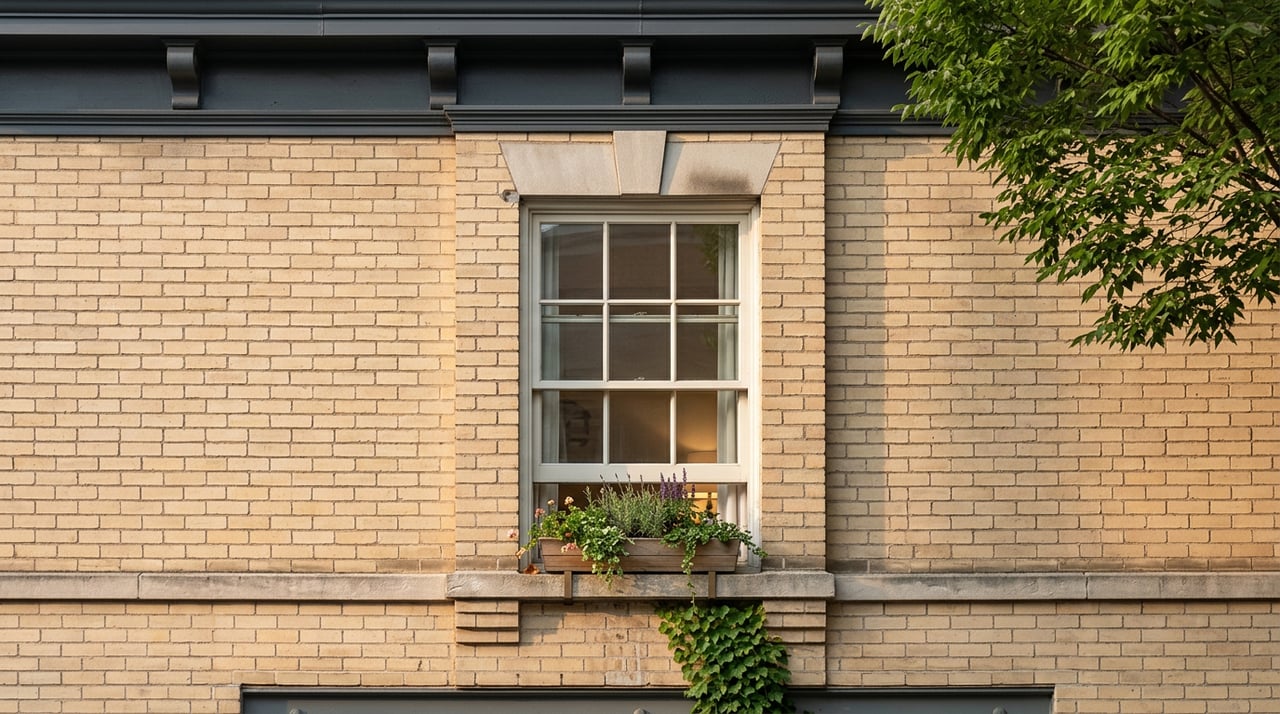
LPC favors repair and retention of original wood windows where possible. If you must replace windows, the Commission expects close matches to original sightlines, profiles, muntins, and materials. Vinyl on primary facades is often disallowed. Like-for-like repairs may be CNE-level; full replacement can require a CofA and sometimes a mockup.
Expect mortar analysis to match historic color and profile, and full-size mockups for pointing or cleaning. Use historically appropriate materials. Depending on visibility and scope, staff can issue approvals or a CofA may be required.
Repair in-kind if you can. New or replacement elements should match historic proportions and profiles. Visible modern alterations at the front are closely reviewed. Significant changes often require a CofA.
Rooftop work is highly visible in the Village. The LPC evaluates setbacks, visibility from public ways, scale, and materials. Many additions are modified or denied if visible from the street. Plan for a CofA and the possibility of a public hearing.
In mixed-use buildings, storefront geometry and materials must respect the building’s historic character. New configurations or major changes almost always require a CofA.
Place roof equipment and through-wall units to avoid public visibility where possible. Screening and non-street-facing locations help. Discreet equipment can be approved at staff level; visible equipment often needs a CofA.
Maintenance painting in the same color is often unregulated. Painting previously unpainted masonry or dramatic color changes on primary facades can require review, often at staff level or via CofA depending on the impact.
Most interior apartment renovations are outside LPC review unless the interior is specially designated. Remember that your co-op or condo board may have separate rules that are stricter than city agencies.
A typical sequence looks like this:
Realistic timelines vary by scope:
Factors that add time include community feedback, mockups and material tests, structural discoveries, filing backlogs, or retroactive approvals after unpermitted work.
Start by sorting your plan into three buckets:
Prioritize retaining original features such as windows, stoops, and cornices. Repairs are usually easier to approve than replacement. Build generous contingencies into your plan: 10 to 25 percent for time and 10 to 30 percent for cost.
For a smooth process and a design that meets both LPC and DOB standards, assemble an experienced team:
When selecting professionals, ask for district-specific approvals they have secured in Greenwich Village or nearby districts, check references, confirm insurance and licensing, and review fee schedules tied to LPC and DOB milestones.
Prepare thorough materials so reviews stay on track:
High-visibility projects can draw public comment. Early outreach helps:
This approach reduces surprises and can shorten the approval cycle.
Federal and state historic preservation tax credits generally apply to income-producing properties and may require consultation with state and federal agencies. Primary residences usually do not qualify for federal rehabilitation tax credits. If you believe your project might qualify, consult the New York State Historic Preservation Office or a tax credit specialist.
If you are buying and plan to renovate:
If you already own:
For buyers, align your renovation goals with realistic approvals so you can plan closing, financing draws, furnished housing needs, and move-in dates with fewer surprises. For sellers, assemble a clean package of prior LPC approvals, DOB permits, and sign-offs. Clearing open violations and documenting compliant work supports value and reduces friction during due diligence.
Greenwich Village rewards careful, character-forward design. When you plan early, choose repair over replacement where possible, and document your work well, you can earn timely approvals and deliver a result that feels both fresh and authentic to the block.
If you are weighing a purchase, prepping a listing, or planning upgrades, we can help you think through LPC timing, DOB milestones, and transaction strategy in one cohesive plan. Request a confidential consultation with the Maison International Team.
Stay up to date on the latest real estate trends.

September 10, 2026

September 10, 2026
September 3, 2026
August 27, 2026
August 20, 2026
August 13, 2026
August 6, 2026

July 23, 2026
July 16, 2026
The Maison International Team truly believes in the magic of finding the perfect real estate partners. Their long history of working with a diverse range of clients from all over the world has knit a rich tapestry of prized friendships and business relationships. They consider each day to be another opportunity to weave new threads and continue their legacy of client-focused real estate success.